Wisdom Teeth Removal and Infection: Symptoms and Treatment
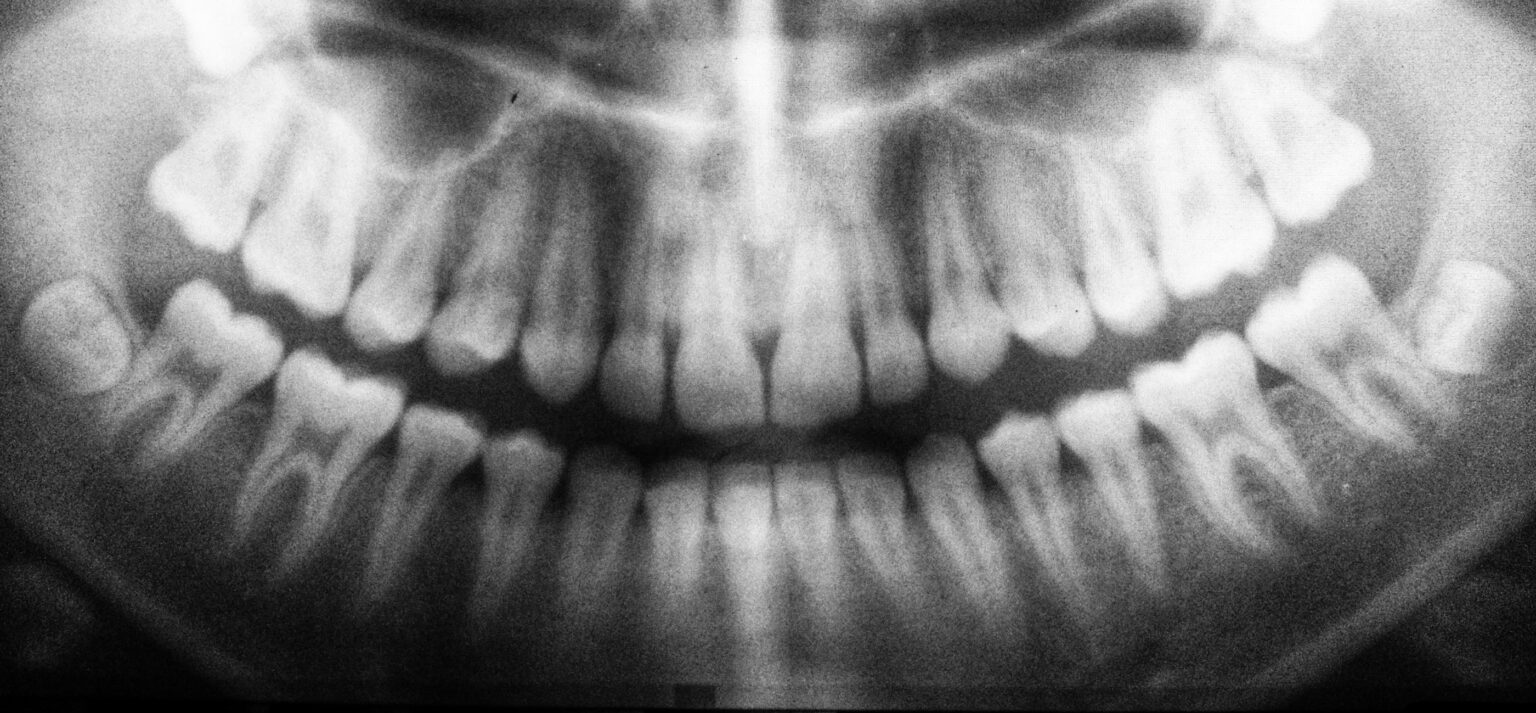
Wisdom teeth removal is one of the most common oral surgery procedures, but the recovery period often causes more anxiety than the surgery itself. The question patients ask most often, usually a day or two after the appointment, is some version of this: How do I know whether what I am feeling is normal healing or an infection?
That is a fair concern. After all, pain, swelling, stiffness, and an unpleasant taste can all happen during an ordinary recovery. At the same time, infection after wisdom teeth removal is real, and when it occurs, it needs prompt attention. The challenge is that normal postoperative symptoms and early infection can overlap.
A careful look at timing, symptom pattern, and severity usually tells the story. Most healthy patients recover without trouble. When problems do develop, they tend to follow recognizable patterns. Knowing those patterns helps people act quickly without panicking over every ache.
What is normal after wisdom teeth removal
The first step in spotting infection is understanding what uncomplicated healing looks like.
After wisdom teeth removal, especially if the teeth were impacted or buried in bone, some degree of discomfort is expected. Swelling often peaks around day two or three. Jaw stiffness is common because the muscles in the area have been stretched and irritated. Mild oozing of blood can continue for several hours after surgery, and the mouth may taste metallic or stale for a day or so.
Pain should gradually improve, even if it does not disappear right away. For many patients, Wisdom Teeth Removal the recovery has a rhythm. The first 24 hours are tender and messy. Days two and three can feel puffier and tighter. By days four through seven, the pain and swelling should start easing. A person may still need soft foods and over-the-counter pain relief, but the trend should be toward improvement, not decline.
The extraction sites themselves can look odd. Patients sometimes expect a smooth pink gum right away, but healing sockets rarely look tidy in the first week. White or yellowish tissue in the socket is often part of normal healing, not pus. That point matters because people frequently mistake fibrin, which is a healing tissue layer, for infection.
Bad breath can also occur during recovery. Food collects easily, and keeping the back of the mouth perfectly clean is difficult for a few days. An unpleasant taste does not automatically mean infection. Context matters. If the taste comes with worsening pain, increasing swelling, fever, or drainage, concern rises. If it appears alone and gradually improves with gentle rinsing, it is usually less alarming.
When healing starts to look abnormal
Infection is less about any single symptom and more about the pattern.
The strongest clue is worsening after initial improvement, or a failure to improve at all. If a patient feels expected soreness for two or three days and then develops increasing pain, more swelling, throbbing pressure, or trouble opening the mouth, something needs to be checked. True infection often creates a sense that the recovery has gone off course.
Another clue is how the body feels overall. Routine postoperative discomfort stays local. Infection often feels more systemic. A patient may feel run down, feverish, chilled, or generally unwell. That whole-body response is a sign the immune system is working harder than it should be for ordinary healing.
Timing helps. Infection can appear within several days of surgery, though some cases show up a bit later. Dry socket, which is different from infection, often causes severe pain around day three to five, usually without major swelling or fever. That distinction is important because many people use the word infection to describe any severe pain after an extraction, but the treatment approach may differ.
Common symptoms of infection after wisdom teeth removal
Several symptoms should raise suspicion, especially when they occur together rather than in isolation.
- Pain that intensifies instead of gradually easing, particularly after day three
- Swelling that increases rather than settles, or swelling that becomes hard, hot, or more one-sided
- Fever, chills, or a feeling of being ill beyond local mouth soreness
- Pus, foul-tasting drainage, or persistent bad breath that does not improve with gentle cleaning
- Difficulty swallowing, worsening jaw opening, or facial swelling spreading toward the eye, cheek, or neck
A practical example makes this clearer. A patient who is sore on day two, has puffy cheeks, and needs ibuprofen is usually still within the normal range. A patient who was doing reasonably well, then wakes up on day five with throbbing pain, a swollen jaw, a bad taste, and a low-grade fever is in different territory and should call the dentist or oral surgeon.
Why infections happen
Most extraction sites heal cleanly because the mouth has a strong blood supply, and that blood supply supports rapid healing. Infection becomes more likely when local conditions interfere with that process.
One common factor is the difficulty of the surgery itself. Deeply impacted lower wisdom teeth, teeth positioned sideways, or teeth close to bone and tissue folds create larger wounds and more postoperative inflammation. More tissue handling means a more challenging recovery, and in a small number of cases, that creates an opening for bacteria.
Food debris can also contribute. The wisdom tooth area sits at the far back of the mouth, where cleaning is awkward even when nothing hurts. After surgery, patients often avoid that side because it is tender. Soft foods, rice, shredded meat, or seeds can collect around the socket and under gum flaps. The presence of trapped debris does not always cause infection, but it can irritate the site and create a favorable environment for bacterial growth.
Smoking is another major issue. Tobacco reduces blood flow and interferes with wound healing. It also increases the risk of dry socket and may contribute to secondary infection. Vaping is not a free pass either. The suction and heat can both irritate healing tissue.
General health matters as well. People with diabetes, immune suppression, poor nutrition, or certain medication histories may heal more slowly or face a higher infection risk. Even severe stress and lack of sleep can affect recovery, though usually not as dramatically as smoking or uncontrolled medical conditions.
In some cases, infection begins because bacteria were already present around a partially erupted wisdom tooth before surgery. A tooth that had repeated episodes of gum swelling or pericoronitis carries a different risk profile than a wisdom tooth removed before it ever caused trouble.
Infection versus dry socket
Patients often confuse these two problems, and the distinction matters.
Dry socket happens when the blood clot in the extraction site dissolves too early or fails to form well. The clot protects the underlying bone and nerve endings. Without it, the pain can be intense. People often describe it as deep, radiating, and difficult to control with standard pain medicine. It may travel toward the ear or temple. The socket can look empty or bare.
Infection, by contrast, tends to come with swelling, tenderness, drainage, warmth, or fever. That said, the two can overlap. A dry socket can become contaminated, and an inflamed extraction site can be both painful and infected. Clinical examination is what sorts it out.
This is one reason self-diagnosis has limits. Looking in the mirror at the back of the jaw rarely provides a reliable answer. The symptoms and the timeline tell more than the appearance alone.
How dentists and oral surgeons diagnose it
Diagnosis usually starts with a few simple questions. When was the surgery? What day did the pain start getting worse? Is there swelling? Is there fever? Can the patient swallow and open the mouth normally? Is there a bad taste or discharge?
The exam often reveals what is going on. A clinician checks the socket, surrounding gum tissue, facial swelling, and jaw movement. They may gently irrigate the area to remove trapped debris and see whether the symptoms improve. In some cases, especially if the swelling is significant or the original extraction was complex, an X-ray may be taken to rule out retained tooth fragments, bone fragments, or a deeper space infection.
The severity matters. A localized socket infection is very different from an infection that spreads into facial spaces. Most postoperative infections are manageable in an office setting. A smaller number need urgent intervention, especially when swelling affects the throat, floor of the mouth, or eye area.
Treatment depends on what is actually wrong
There is no single treatment for every painful wisdom tooth socket after surgery. Good care starts with an accurate diagnosis.
If the issue is food impaction and local inflammation, the solution may be simpler than patients expect. Gentle irrigation, improved cleaning instructions, and close observation can make a dramatic difference. It is surprisingly common for trapped debris to cause pain, odor, and tenderness that mimic infection.
If there is a true bacterial infection, antibiotics may be prescribed. The exact choice depends on the patient’s allergies, medical history, and the likely bacteria involved. In routine dental infections, common options may include amoxicillin or alternatives for those with penicillin allergy, but the prescription decision belongs to the treating clinician. It is never wise to start leftover antibiotics from an old prescription or from someone else’s medicine cabinet. The wrong drug, wrong dose, or wrong duration can blur symptoms without fixing the problem.
Sometimes drainage is necessary. If a localized collection of pus has formed, the area may need to be opened or the socket may need to be irrigated thoroughly. In more severe cases, especially if the infection has spread into deeper tissues, urgent surgical management can be required. That is less common, but it is the reason certain warning signs should never be ignored.
Pain control is part of treatment too. Anti-inflammatory medicines often help significantly, though they do not replace treatment when infection is present. Warm saltwater rinses may soothe the tissue after the first day, but vigorous swishing should be avoided early on because it can disturb healing.
If the diagnosis is dry socket rather than infection, the treatment is different. Dentists may clean the site and place a medicated dressing for pain relief. Antibiotics are not automatically useful for dry socket unless there is evidence of infection too.
What you can do at home while waiting to be seen
If symptoms suggest something is wrong, call the dental office rather than trying to push through for several more days. Most offices that perform wisdom teeth removal are very used to postoperative calls and can usually tell from the symptoms whether you need same-day care.
While waiting for guidance or an appointment, reasonable home care includes the following:
- Take prescribed or recommended pain medicine exactly as directed
- Use gentle warm saltwater rinses if your clinician has said it is appropriate for your stage of healing
- Keep food soft and avoid sharp, crunchy particles that pack into the socket
- Do not smoke, vape, or use straws
- Stay hydrated and rest, because dehydration and poor intake make recovery harder
What should not happen at home is aggressive poking, probing, or rinsing. Patients sometimes use cotton swabs, toothpicks, or high-pressure water devices too early. That often worsens the problem. A healing extraction site is not a wound that benefits from amateur excavation.
When it is urgent
Most postoperative concerns can wait long enough for a same-day or next-day dental visit. A small number cross into urgent or emergency territory.
Trouble breathing is an emergency. Trouble swallowing saliva, rapidly increasing swelling, a muffled voice, or swelling extending under the jaw or toward the eye also deserves immediate evaluation. High fever, severe dehydration from inability to drink, or confusion should not be managed with a wait-and-see approach.
One of the more serious patterns clinicians watch for is infection spreading into the deep fascial spaces of the head and neck. This is uncommon after routine wisdom teeth removal, but when it happens, it can progress quickly. That is why worsening facial asymmetry, tense swelling, or neck involvement should be treated with real urgency.
How long infection symptoms last once treatment starts
Patients often expect antibiotics to erase symptoms in a few hours. Realistically, improvement usually takes a bit longer.
Pain and swelling often begin to ease within 24 to 72 hours after proper treatment starts, assuming the diagnosis is correct and any trapped debris or drainage issues have been addressed. That said, the socket may remain tender for a week or more. Tissue healing does not finish the moment bacteria are controlled.
If antibiotics are prescribed, they should be taken for the full course unless the prescriber changes the plan. Stopping early because things feel better is a common mistake, and it is one reason infections can return. On the other hand, if symptoms are not improving within a couple of days, or if they are worsening despite treatment, the office needs to know. That may mean the diagnosis should be revisited, the socket needs additional cleaning, or the antibiotic choice is not adequate for the situation.
Preventing infection after wisdom teeth removal
Prevention starts before the surgery and continues through the first week of healing.
The preoperative part is often overlooked. If a patient has active gum infection around a partially erupted wisdom tooth, significant swelling, or poor oral hygiene going into surgery, the recovery can be bumpier. Sometimes a clinician will stabilize the area first or provide medication before removal if the infection burden is already high.
After surgery, the basics matter more than fancy products. Follow the written instructions. Eat soft foods that do not crumble into the socket. Keep the mouth clean without scrubbing the wounds. Start recommended rinses on schedule, not too early and not too late. Avoid nicotine. Avoid straws. Drink enough water. These steps sound simple, but they have a real effect on healing.
Patients often ask whether they should receive antibiotics automatically after wisdom teeth removal to prevent infection. The answer is not the same for every case. Some surgeons prescribe them in selected situations, such as difficult impactions, existing infection, or medically higher-risk patients. Others use them more sparingly to avoid unnecessary exposure and resistance concerns. That decision depends on the specific surgery and patient profile, not a one-size-fits-all rule.
A few recovery patterns that commonly worry patients
Certain situations come up again and again.
A patient notices a bad taste on day four and assumes infection. On exam, the socket is full of packed food and healing tissue, with no pus and no fever. Irrigation solves most of it. Another patient sees white material in the extraction site and fears the worst. The white layer turns out to be normal fibrin, part of the healing process. Then there is the patient whose swelling seemed ordinary until day five, when one side became larger, firmer, and more painful, with fever that evening. That is the patient who often needs prompt treatment for infection.
The reason these scenarios matter is that postoperative wisdom tooth care is not just about pain tolerance. It is about pattern recognition. A normal recovery may be uncomfortable, but it generally moves forward. Infection tends to interrupt that forward motion.
Questions worth asking your surgeon if symptoms appear
If you call the office, being specific helps. Instead of saying “it hurts,” describe whether the pain is getting better or worse, whether one side is more swollen than the other, whether you have measured a fever, and whether there is bad drainage or trouble swallowing. Those details help the clinical team decide how urgent the problem is.
It is also useful to ask whether the office wants a photo, whether you should continue your current rinses, and whether eating or drinking restrictions need to change. Some offices will bring patients in quickly for a socket rinse or dressing, which can make a much bigger difference than many expect.
The practical bottom line
Wisdom Teeth Removal usually heals without infection, but a smooth recovery is not always comfortable, and discomfort alone is not proof that something is wrong. The key distinction is trajectory. Normal healing is messy but gradually improving. Infection tends to bring worsening pain, increasing swelling, foul drainage, fever, or a general sense that the body is struggling.
If there is any doubt, especially after the third postoperative day, the safest move is to contact the dentist or oral surgeon who performed the procedure. A quick examination can often separate normal healing, dry socket, trapped food, and true infection in a matter of minutes. That clarity matters, because the treatment for each problem is different, and the sooner the right treatment starts, the easier the recovery tends to be.
Patients do best when they resist two opposite mistakes, ignoring warning signs for too long or assuming every sore socket is infected. Recovery after wisdom tooth surgery requires a little patience, a little vigilance, and a willingness to ask for help when the pattern changes. That balance is what keeps a routine procedure from becoming a prolonged problem.
Oxnard Dentistry
1730 E Gonzales Rd, Oxnard, CA 93036, United States
+1 805-307-8731
FAQ About Wisdom Teeth Removal
How painful is it to remove a wisdom tooth?
Local anesthetic numbs the area during extraction. Pressure may still be noticeable; tell the dentist if you feel pain. Soreness and swelling afterward are common. Follow the pain-control instructions provided for your situation.
How long is recovery for wisdom teeth extractions?
Recovery varies with the tooth position and complexity of the extraction. Some people resume routine activities quickly, while others need several days of rest. Soreness, swelling and jaw stiffness can last up to two weeks. Follow your clinician's aftercare and activity advice.
What are the risks of wisdom tooth removal?
Possible complications include dry socket, infection, persistent bleeding and changes in sensation from nearby nerve injury. Your dentist or oral surgeon should explain your individual risks before treatment. Seek prompt dental advice for bleeding that will not stop, fever, or severe or worsening pain and swelling.